
Physiotherapy vs Surgery: How to Decide
A clear, honest comparison to help you choose — including the red flags that genuinely do point to surgery.
When back or neck pain is severe, surgery can feel like the fastest way out. Often it is not the necessary one. The right question is not surgery or not, but what is the least invasive thing that actually fixes the cause of my pain. For most people, the answer starts well short of an operation.
What each approach actually does
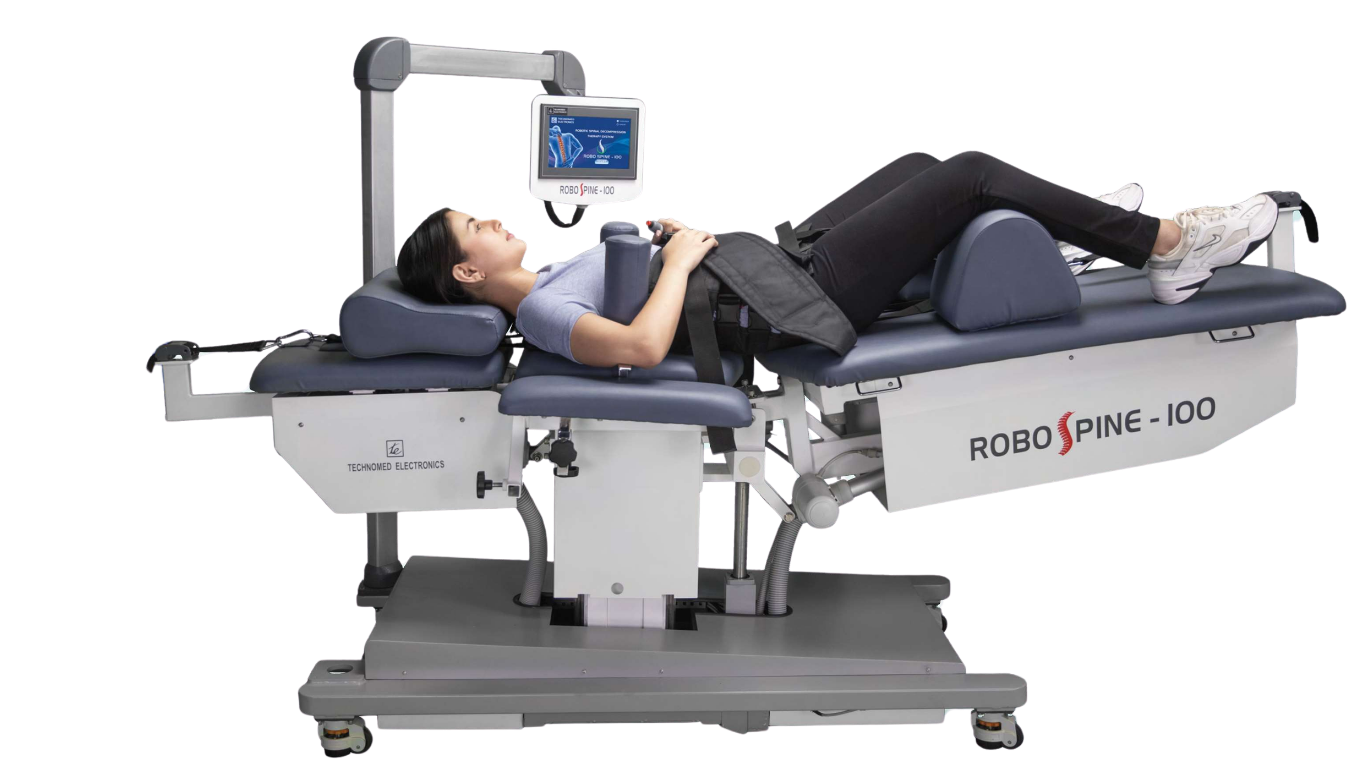
Physiotherapy works by unloading the painful structure and rebuilding the support around it — no cutting, no downtime, but it asks for your consistency over several weeks. Surgery changes the structure directly and can be the right call for the right problem, but it carries anaesthetic risk, recovery time, and no guarantee the pain will not return if the underlying habits do not change. Neither is universally better; they suit different problems.
Where physiotherapy usually wins
- Pain driven by pressure or inflammation rather than instability
- Sciatica and disc-related pain without progressive weakness
- Recurring pain that flares with posture, sitting, or lifting
- Neck and back pain that has never had a proper conservative trial
When surgery is genuinely indicated
- Progressive muscle weakness or foot drop that is getting worse
- Loss of bladder or bowel control (a medical emergency)
- Severe pain that has not responded to a full, proper conservative course
- Structural instability confirmed on imaging
“A good clinic starts conservatively because it works for most people — and says clearly when you are the exception who needs a surgeon.”
A sensible order to try things
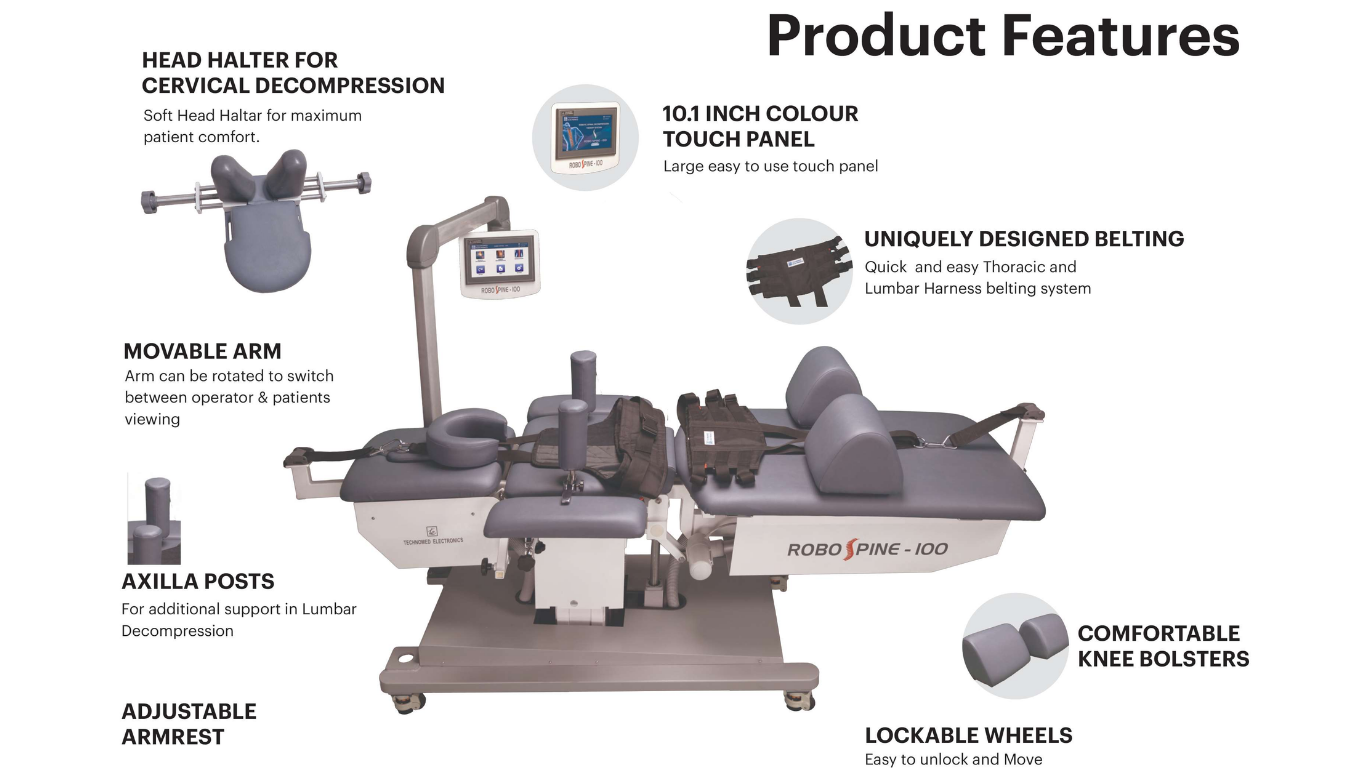
Unless you have one of the red flags above, the sensible path is to give a proper non-surgical plan a real trial first. That means targeted decompression, inflammation control, and exercise done consistently — not a couple of half-hearted sessions. If a genuine course does not help, that itself is useful information, and we will refer you for a surgical opinion without hesitation. Starting conservatively costs you very little and spares most people an operation they never needed.
Frequently asked questions
If I try physiotherapy first, am I wasting time before surgery?
For the vast majority of cases, no — a proper conservative course resolves the problem. Where it does not, nothing is lost: your surgical options remain, and you have avoided an unnecessary operation.
How long should I try conservative treatment before considering surgery?
A few weeks of consistent, well-designed treatment is usually enough to see whether it is working. We review progress continuously rather than waiting for an arbitrary deadline.
Can you tell me honestly if I need surgery?
Yes. If your assessment shows red flags or your case genuinely needs a surgeon, we say so directly and refer you.
Consultant Physiotherapist at Vasavi Robospine, MVP Colony, Visakhapatnam. Leading non-surgical, robotic spine and laser therapy care.
In pain? Get a personal assessment.
We map the cause of your pain first, then build a non-surgical plan around it. Book a consultation today.
Book on WhatsApp