Slipped Disc: The Non-Surgical Treatment Path
A slipped (herniated) disc sounds alarming, but surgery is not the default. Here is the step-by-step conservative path that resolves most cases.
A slipped disc does not actually slip. The soft, jelly-like centre of a spinal disc pushes through a weak spot in its tougher outer wall and presses on nearby nerves. That pressure is what produces the pain, numbness, or tingling — and pressure, unlike a torn bone, is something we can relieve without surgery.
What the pain is telling you
Where you feel a herniated disc depends on which nerve it is pressing. A disc in the lower back can send pain down the leg; one in the neck can send it into the arm and hand. Numbness, pins and needles, or a heavy, weak feeling are all the same nerve, irritated and complaining. The good news is that discs are living tissue — given the right conditions, they can and do recover.
The conservative path, in order
- Assessment to confirm the level and severity of the herniation
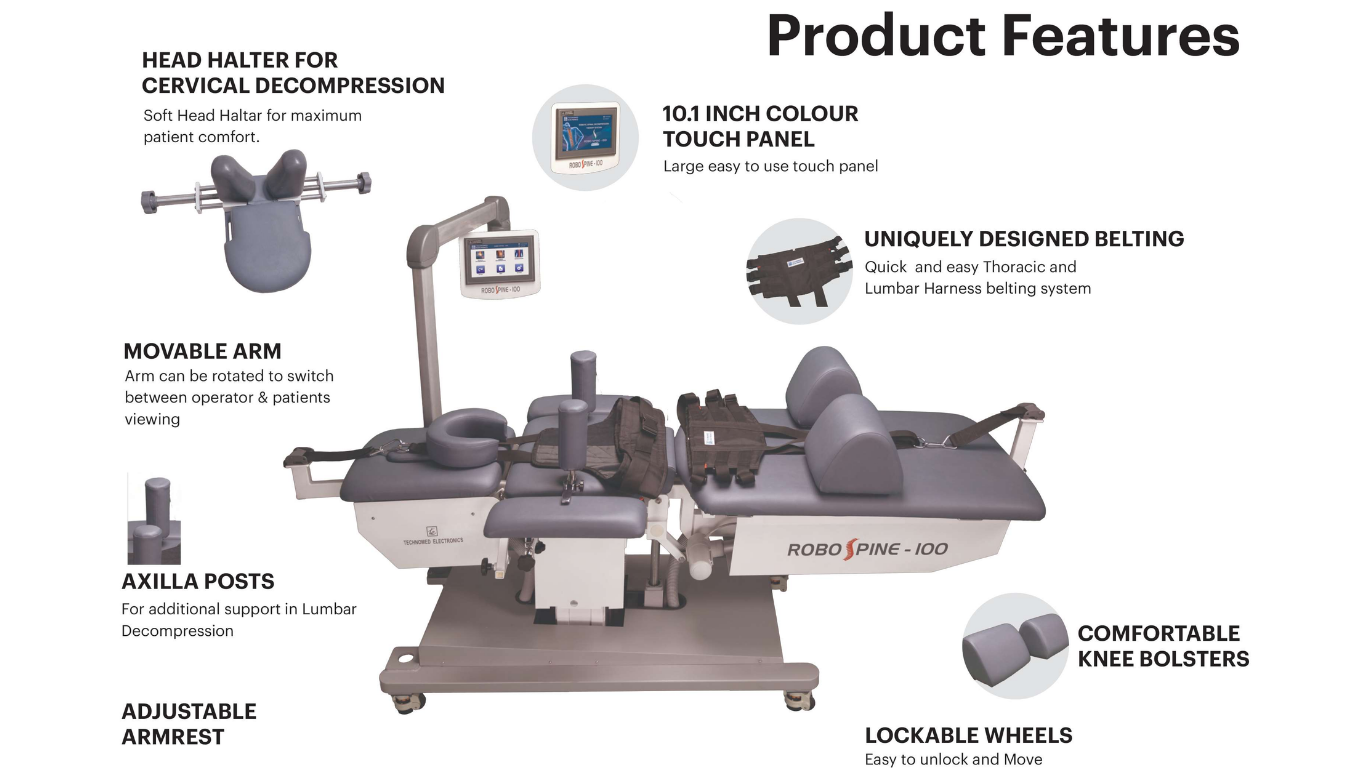
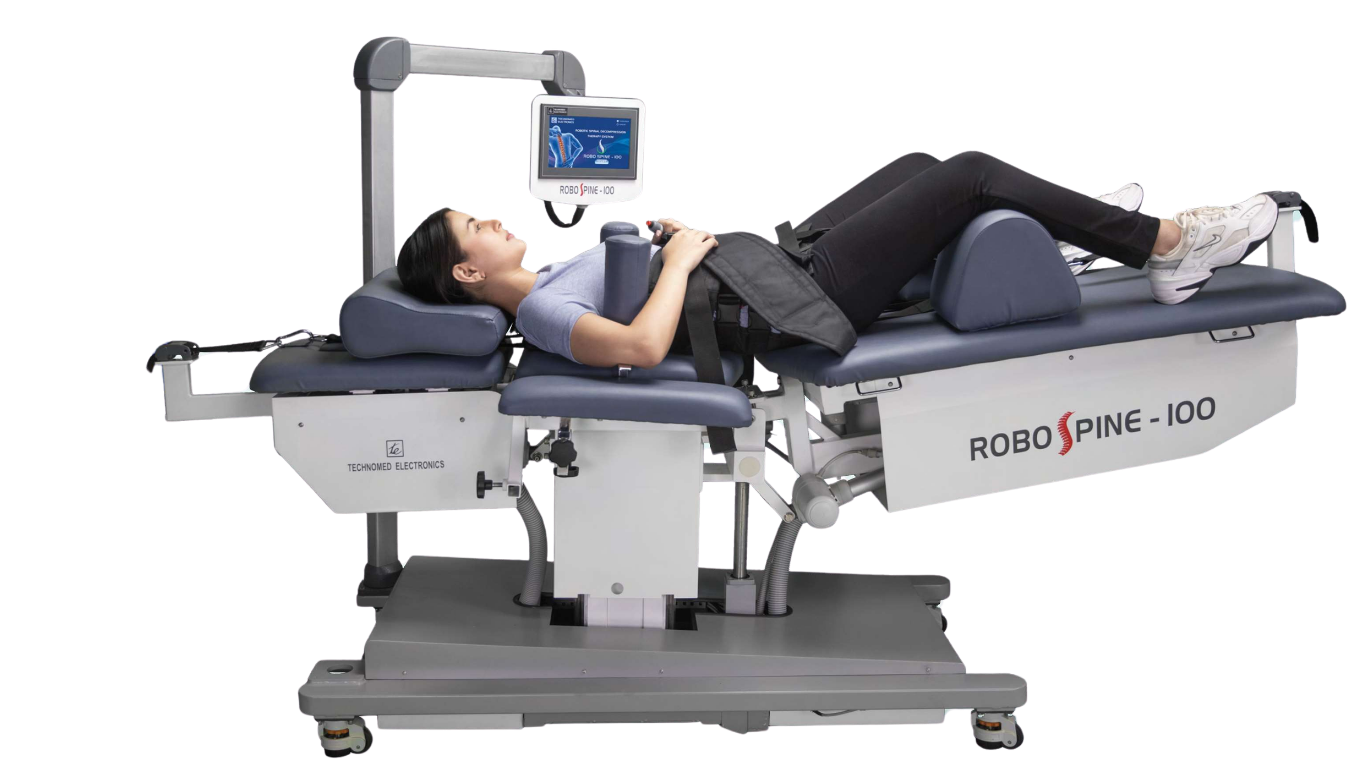
- Spinal decompression to create space so the disc can retract
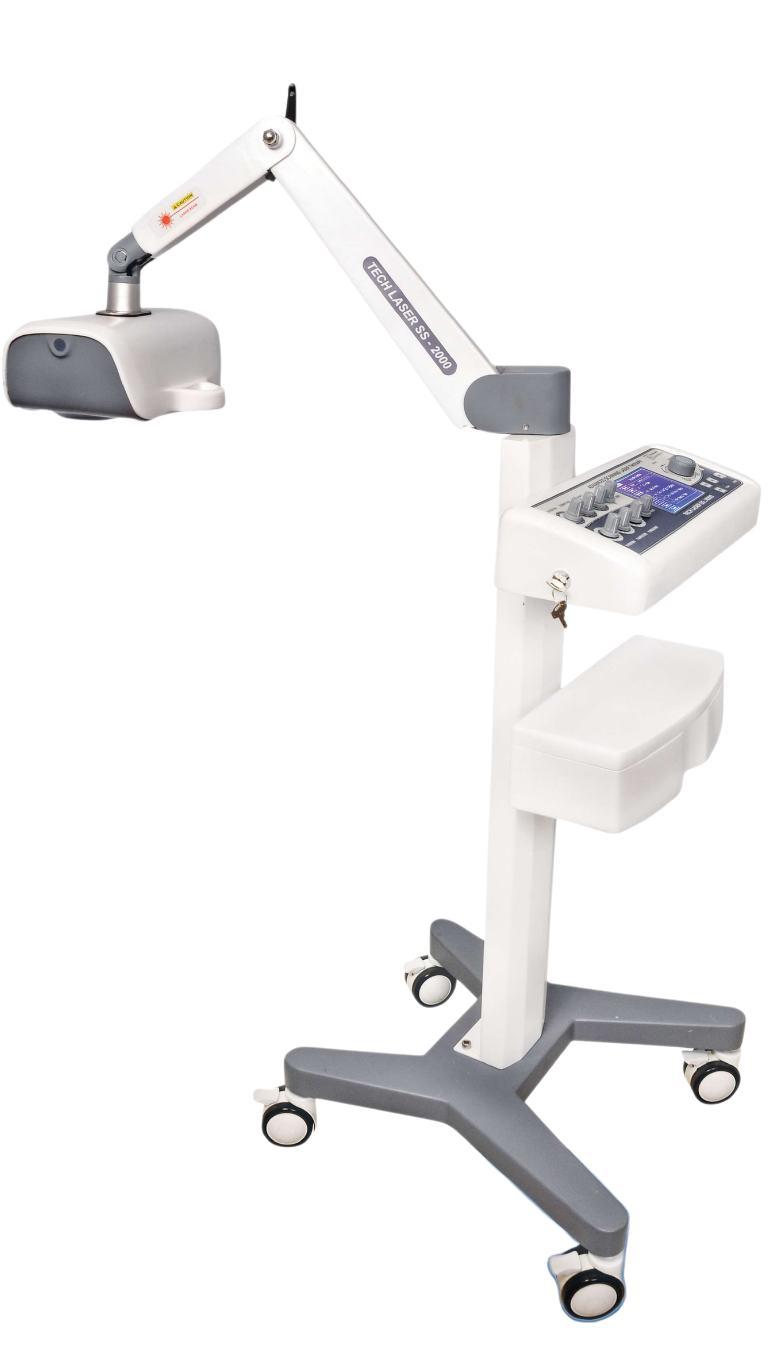
- Laser therapy to reduce the inflammation around the irritated nerve
- Guided exercise to rebuild the deep support the spine needs to stay well
- Posture and daily-habit coaching so it does not happen again
“Give the disc room and lower the inflammation, and the body does what it is built to do — it heals.”
Why the order matters
Each step sets up the next. Decompression opens space so the disc can begin drawing back in. Laser brings down the inflammation so the nerve stops firing. Exercise then rebuilds the muscular corset that keeps the segment stable — because a disc that has herniated once will do it again if the support around it stays weak. Skip the last step and relief tends to be temporary; include it and it lasts.
How long does it take?
It depends on the size of the herniation and how long it has been there. Many patients feel meaningful relief within a few weeks of consistent treatment. The plan is always reviewed as you go, so it fits your actual recovery rather than a fixed template.
Frequently asked questions
Can a herniated disc heal on its own?
Many do, given time and the right conditions. Treatment speeds this up by removing pressure and inflammation and by preventing re-injury while it heals.
Should I rest completely?
No. Short-term rest during a severe flare is fine, but prolonged bed rest weakens the muscles that support your spine. Guided movement is part of recovery.
When is surgery necessary for a slipped disc?
Only for a minority — mainly progressive weakness, or loss of bladder or bowel control, which is an emergency. Most cases resolve without it.
Consultant Physiotherapist at Vasavi Robospine, MVP Colony, Visakhapatnam. Leading non-surgical, robotic spine and laser therapy care.
In pain? Get a personal assessment.
We map the cause of your pain first, then build a non-surgical plan around it. Book a consultation today.
Book on WhatsApp